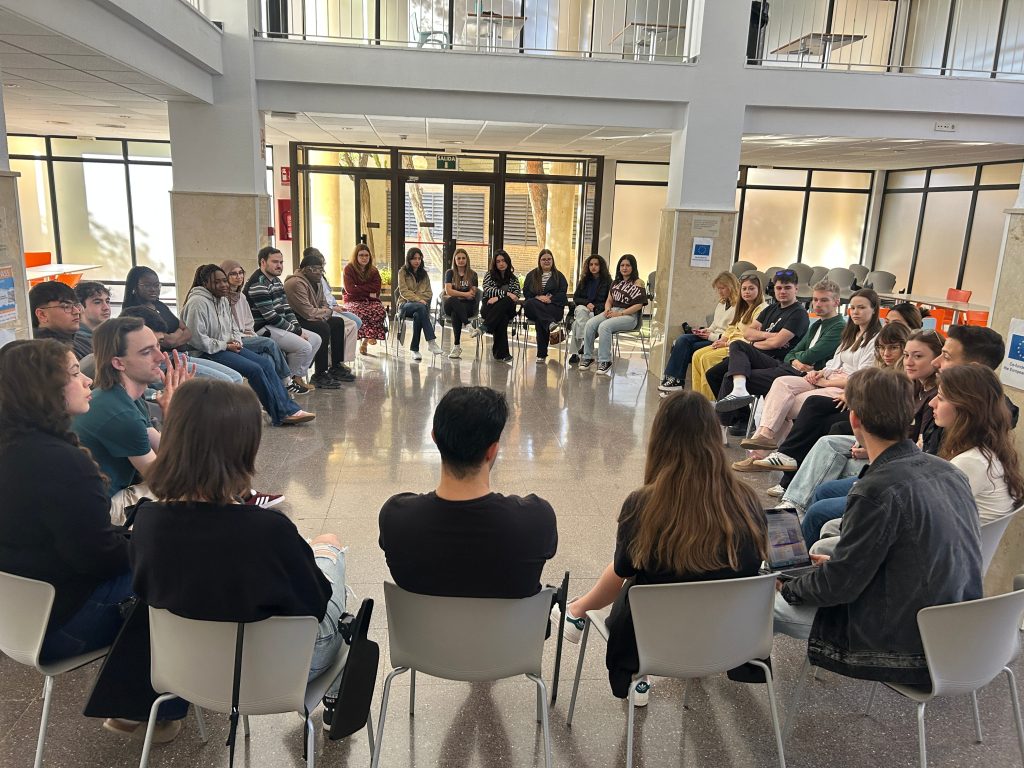
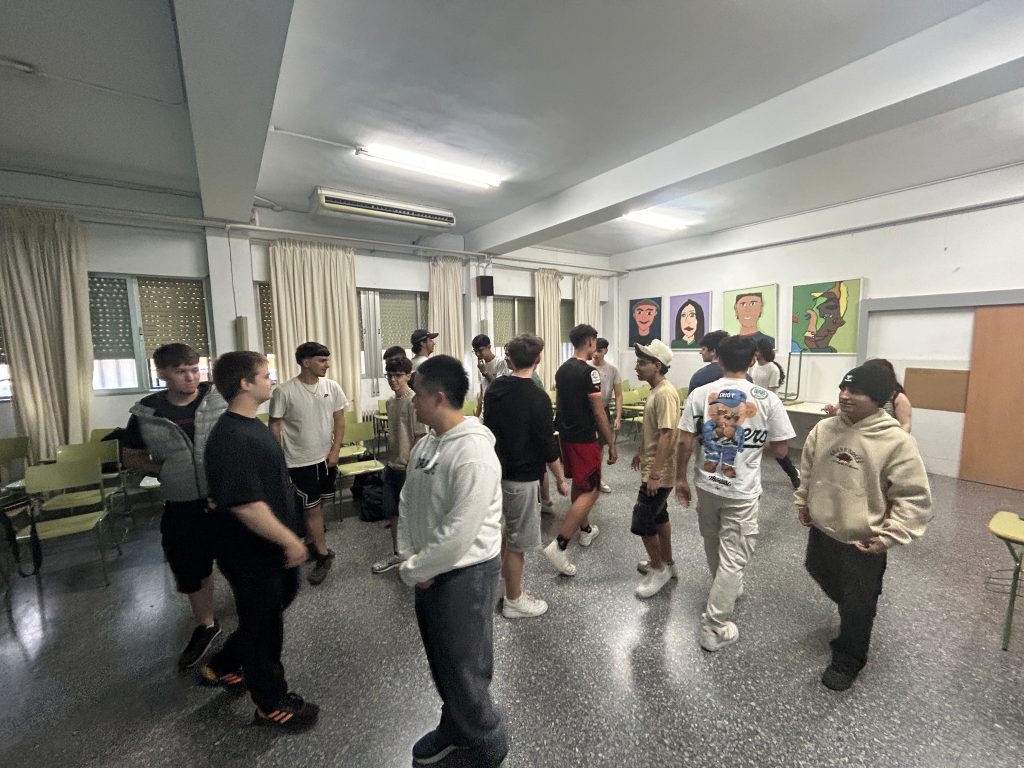
Over April and May 2026, NatureVR sat down with more than 110 young people across Spain, Croatia and the Netherlands for eight focus group sessions . We wanted to créate open, honest conversations about their relationship with nature, and what they’d want (and worry about) from a VR nature experience. Here’s what we learned.
Nature already means a lot to them
Across every country, young people described nature in strikingly similar terms: peace, calm, fresh air, connection, a break from everyday pressure. This wasn’t an abstract idea, it showed up in very concrete moments: a walk by the sea, time with friends outdoors, a family trip, the smell of rain. For many, nature is already a quiet source of relief in busy lives.
That matters for NatureVR, because it means we’re not trying to spark an interest that doesn’t exist. It’s already there. Our job is to support it.
The real barrier isn’t distance, it’s time
We expected to hear about access: not enough green space, not enough money, not knowing where to go. And for some (particularly young people living away from home or new to a city) that was part of the picture. But by far the most common barrier, in every single country, was something simpler: not enough time. Busy schedules, studying, working, screen time, everyday life crowding out the space for nature.
What helps most isn’t more green space appearing nearbym it’s someone making it easy. Organised activities, a trip with school, a plan with friends.
VR as a bridge, not a replacement
Here’s the finding we think matters most: young people are genuinely curious about VR, but they were quick to say the same thing across the three countries, in their own words: virtual reality shouldn’t try to replace real nature.
What excites them instead is using VR to reach places they can’t easily get to in real life: rainforests, mountains, coastlines far from home, landscapes from their home country while studying abroad. VR as a window to the wider world, not a substitute for the park down the street.
What happens with all this
These findings (alongside a parallel survey of 259 youth workers on their own readiness to bring VR into their practice) now feed directly into the next stages of the project: defining what NatureVR should teach and how (Activities 2.4 and 2.5), and shaping the actual design of the VR experience itself (Work Package 3).
In short: young people told us they want a tool that respects real nature, sounds genuinely alive, and never forgets to be comfortable and clear about its purpose. That’s exactly the brief we’re now building from.
A huge thank-you to everyone who took part in a focus group, and to our partners, BACKSLASH (Spain), Udruga Zaželi (Croatia) and Anatta Foundation (Netherlands), for making these conversations happen.